
Understand the tokens sales structures for Ethereum (ETH)
The increase in cryptocurrencies has revolutionized the way in which people invest, trade and interact with financial systems. Among these new players is Ethereum (ETH), a decentralized platform that allows smart contract functionality, safe online transactions and more. To completely appreciate the ETH potential, it is essential to understand how sales sales work in this block chain.
What is a tokens sale?
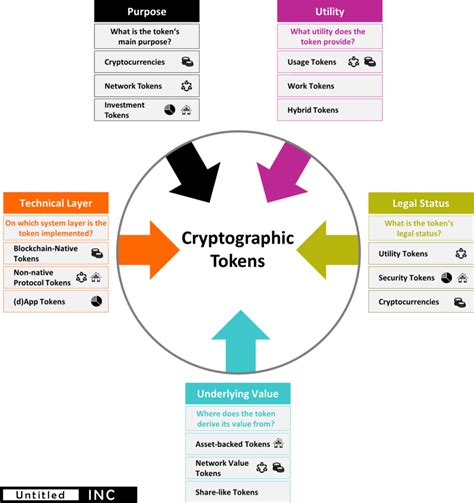
A tokens sale is a process in which an entity issues a token in exchange for a specific amount of Ethereum (ETH) or other cryptocurrencies. The purpose of a tokens sale is to raise funds for a project, product or service that takes advantage of the power of intelligent contracts and decentralized applications (DAPPS).
Tokens sales structures in Ethereum
There are several tokens sales structures available in Ethereum, each with its unique characteristics and risks. Here are some common types:
- Initial Currency Offer (ICO)
: An ICO is a sale of primary token where new projects issue their own tokens to raise funds.
- Private placement : A private placement allows an ETH -to -sell entity or other cryptocurrencies directly to accredited investors, without going through traditional financing routes.
- Green card program : Also known as the “Green Card” program, this implies selling ETH or other assets to a select group of accredited investors in exchange for their investment.
- Initial Coin Offer (ICO) with intelligent contracts : Some ICO use intelligent contracts to automate the sales process and guarantee compliance with regulations.
- Stablecoin sales : The stable are cryptocurrencies linked to a stable asset, such as the US dollar or the Euroruble. They can be sold in ETH -based exchanges without losing value.
Key players involved in Token sales
When it comes to symbolic sales in Ethereum, several key players come into play:
- Founders of the project : The founders of new projects are usually responsible for designing and executing their tokens sales strategy.
- Tokens developers : Developers create intelligent contracts that implement the functionality of the project, ensuring security and decentralization.
- Exchange : Exchange online such as Binance, Kraken and Huobi offer platforms to buy and sell Eth -based tokens.
- Regulatory bodies : Governments and regulatory bodies have implemented guidelines and regulations to govern Token sales in Ethereum.
Risks associated with Token sales
While the potential benefits of tokens sales are undeniable, there are risks involved:
- Security risks : Intelligent contract vulnerabilities can lead to losses or theft of funds.
- Regulatory risks : Changes in regulatory policies can affect the value and usability of tokens.
- Market volatility : ETH prices can fluctuate significantly due to market forces.
- Scalability problems : Tokens sales can be slow and cumbersome, leading to inefficiencies.
Best practices for investors
To navigate the complex world of tokens sales in Ethereum:
- realization research : Understand technology, equipment and possible project use cases before investing.
- Diversify your portfolio
: extend your investment in several cryptocurrencies and asset classes.
- Establish clear expectations : clearly understand how the sale will be structured and what you can expect in terms of returns.
- Avoid speculation : focus on fundamental analysis instead of speculative investment decisions.
Conclusion
Tokens sales in Ethereum are a crucial aspect of the cryptocurrency ecosystem, allowing projects to raise funds for their innovative ideas. However, it is essential to understand the tokens sales structures, the risks involved and the best practices for investors. In doing so, you can make informed decisions and avoid possible difficulties in this field in rapid evolution.